Balayage vs Highlights – Which One Is Right for You?
If you are thinking about making your hair lighter, adding dimension or refreshing your colour, you may find yourself comparing Balayage vs Highlights. Both techniques can create beautiful results, but they are not exactly the same service and they do not create the same visual effect.
The right choice depends on your natural hair colour, previous colour history, desired level of brightness, maintenance expectations, haircut and the overall finish you want to achieve.
As a professional hairdresser and colourist in London, I prefer to choose the technique according to the individual client rather than deciding that one method is always better than the other. In some cases, balayage is the perfect choice. In others, traditional highlights, babylights or a personalised combination of techniques may produce a more refined result.
What Is Balayage?
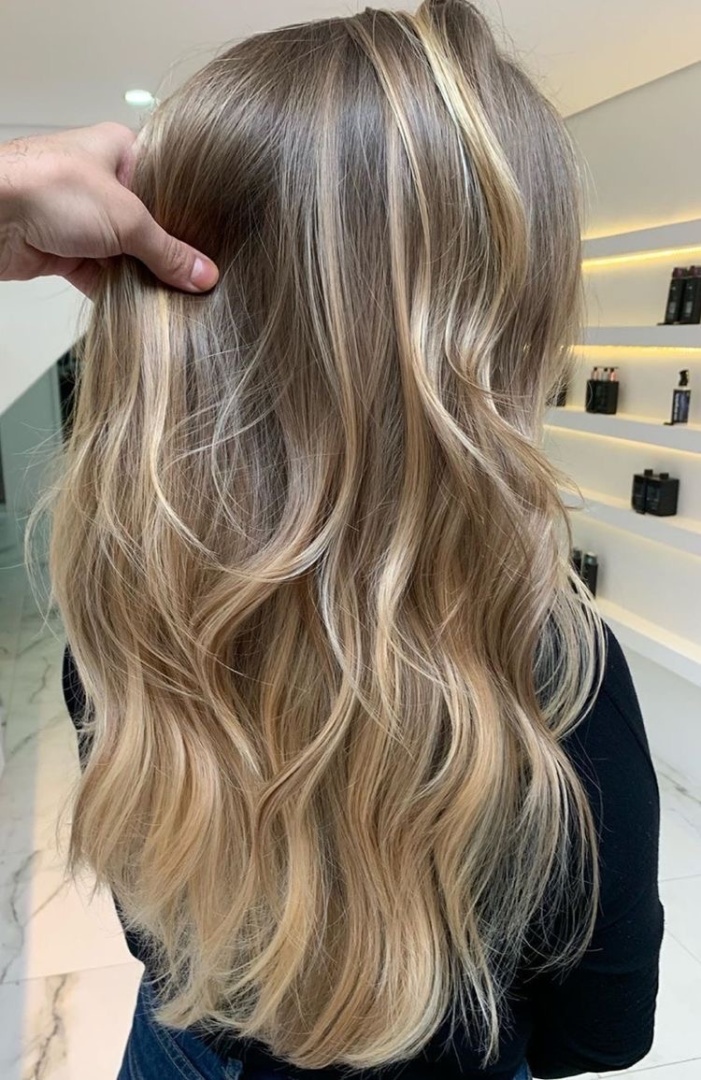
Balayage is a personalised lightening technique associated with softer placement and a more natural transition between darker and lighter areas of the hair. The word balayage comes from the French idea of “sweeping”, referring to the way colour can be painted or visually placed through selected sections.
Rather than creating a completely uniform pattern from the root, balayage can be designed to preserve depth at the base while introducing more brightness through the mid-lengths, ends and face-framing sections.
British Vogue has featured balayage as a technique associated with softer, sun-kissed blonde results and beautifully blended dimension. You can explore further inspiration in British Vogue’s guide to blonde balayage.
What Are Traditional Highlights?
Traditional highlights generally involve selecting sections of hair and lightening them in a more structured pattern. Foils are commonly used to isolate the selected sections and create controlled brightness throughout the hair.
Highlights can begin closer to the root and may create a more noticeable overall blonde effect, depending on the section size, placement and amount of hair being lightened.
For professional background information about highlights and lowlights, visit L’Oréal Professionnel’s guide to highlights.
Balayage vs Highlights: What Is the Main Difference?
When comparing Balayage vs Highlights, the most important difference is usually how brightness is distributed through the hair.
Balayage tends to create a softer transition with more visible natural depth. Traditional highlights can create a more structured and evenly distributed brightness from closer to the root.
This does not mean that balayage must always be subtle or that highlights must always be dramatic. Both techniques can be adapted considerably. A skilled colourist can create bright, high-impact balayage or very delicate highlights using fine sections and personalised toning.
Which Technique Looks More Natural?
For clients who want a very soft, sun-kissed and naturally grown-in appearance, balayage is often an excellent option.
Because darker areas can be preserved through the root and interior of the hair, the finished colour may appear less uniform and more dimensional.
For additional balayage inspiration, visit Harper’s Bazaar’s balayage hair inspiration.
Which Technique Gives More Blonde?
If your priority is achieving a very bright, more evenly blonde appearance from closer to the root, traditional highlights may sometimes be more appropriate.
Foils allow selected sections to be isolated and processed in a controlled way, which can help create greater overall brightness depending on the starting point and condition of the hair.
However, modern balayage can also create significant brightness. Many contemporary colour services combine freehand placement, foils, face-framing sections and personalised toning rather than using only one technique.
For professional blonde and balayage information, visit Wella Professionals Blondes & Balayage.
Balayage vs Highlights for Brunettes
Brunette hair can look beautiful with either technique. The decision should depend on how much natural depth the client wants to preserve and how much brightness they would like to introduce.
Balayage can be particularly effective when a brunette client wants to maintain richness and depth while introducing caramel, honey, mocha, beige or bronde tones through selected areas.
Traditional highlights can be more suitable when the client wants greater brightness throughout the hair or a stronger contrast between lighter and darker strands.
The correct decision also depends heavily on whether the brunette hair is natural or previously coloured. Artificial dark pigment can behave very differently from virgin hair during lightening.
Balayage vs Highlights for Blonde Hair
Blonde clients may choose balayage when they want softer roots, dimensional lengths and a more lived-in finish.
Highlights may be more appropriate when the goal is brighter blonde from closer to the scalp or when maintaining an existing traditional blonde pattern.
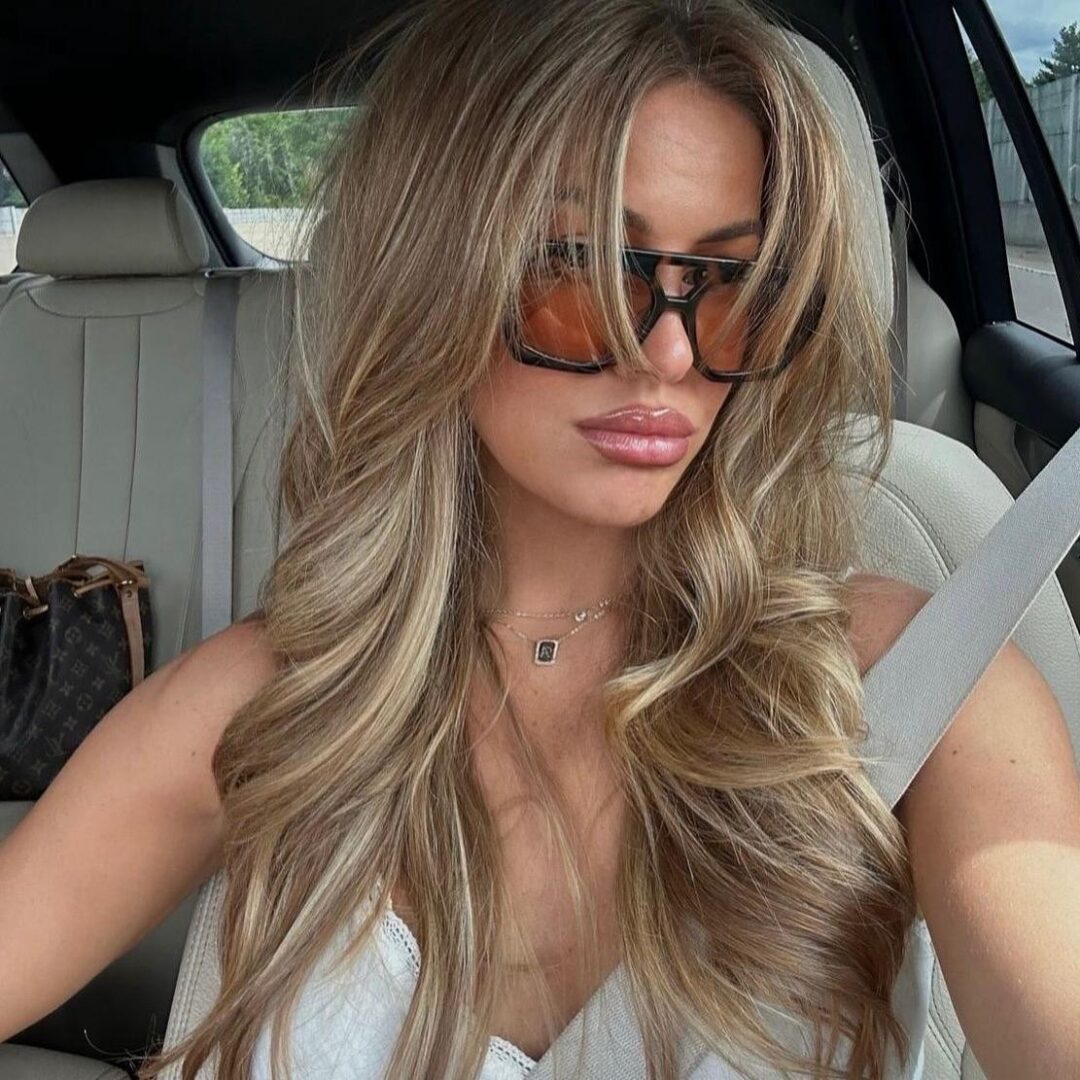
In many cases, a luxurious blonde result can be created by combining techniques. Fine highlights or babylights may provide brightness around the root and hairline, while balayage placement through the lengths creates softness and dimension.
Balayage vs Highlights: Which Is Lower Maintenance?
One of the biggest considerations when comparing Balayage vs Highlights is maintenance. Balayage is often associated with a softer grow-out because the transition at the root can be less obvious as the hair grows.
Traditional highlights placed very close to the scalp can require more regular attention because the contrast between the natural root and highlighted hair may become more visible over time.
For additional professional information about balayage, visit L’Oréal Professionnel Balayage.
Can Balayage and Highlights Be Combined?
Absolutely. Modern professional hair colouring does not need to fit into one strict category.
A colourist may combine balayage, foil highlights, babylights, face-framing placement, lowlights, root shadow and glossing to create a result that suits the individual client’s hair.
This is particularly useful when a client wants brightness around the face and root area while maintaining softer, more dimensional colour through the lengths.
For further professional colour education, visit L’Oréal Professionnel Education.
What About Babylights?
Babylights are extremely fine highlights designed to create delicate brightness and a softer effect than larger traditional highlighted sections.
They can be particularly useful around the hairline and parting, where very fine brightness can make the overall colour appear lighter without creating a heavy or stripy finish.
Babylights can also be combined beautifully with balayage when a client wants soft dimension through the lengths with additional brightness closer to the root.
What Is Colour Melting?
Colour melting is another modern approach that focuses on creating very soft transitions between several complementary shades.
It demonstrates an important principle in modern colour work: the best finished result may come from combining several techniques rather than relying on one label.
For further inspiration, visit British Vogue – Colour Melting Hair Trend.
Balayage vs Highlights for Face-Framing Colour
Face-framing brightness can be created using both techniques.
Balayage can create a softer, more diffused frame around the face, while foil highlights can provide stronger brightness when more lift or contrast is required.
The amount of brightness should always be chosen according to the client’s features, natural base, haircut and preferred level of contrast.
Which Technique Is Better for Grey Blending?
The answer depends on how much grey is present, where it is concentrated and whether the client wants to blend, soften or completely cover it.
Fine highlights, babylights and balayage may all play a role in creating dimension around grey hair. The correct technique should be selected after examining the natural colour and distribution of grey rather than automatically choosing one method.
Which Is Better for Previously Coloured Hair?
Previous colour history is one of the most important factors in any lightening service.
Box dye, permanent brunette colour, previous highlights and old bleach can all affect how evenly the hair lifts. In some situations, neither a standard balayage nor a traditional highlight appointment should be planned without first considering colour correction.
When several different colour histories exist through the same head of hair, a staged transformation may create a more refined result than attempting maximum lightness in one appointment.
Hair Condition Should Help Decide the Technique
Choosing between Balayage vs Highlights should never be based only on an inspiration photograph.
The condition of the hair, previous chemical services and the strength of the lengths and ends should influence how much lightening is appropriate.
Sometimes professional judgement means recommending less brightness, a deeper tonal direction or several appointments rather than attempting to reproduce an inspiration image immediately.
Which One Should You Choose?
Choose balayage if you generally prefer softer roots, personalised placement, natural-looking dimension and a more lived-in grow-out.
Choose highlights if you want stronger brightness from closer to the root, more evenly distributed lightness or a more structured blonde result.
A combination may be ideal when your hair needs both root brightness and softer dimensional lengths.
When deciding between Balayage vs Highlights, your natural hair colour, previous colour history, hair condition and desired level of brightness should always be considered.
Balayage vs Highlights in London with Samet Zili
For me, Balayage vs Highlights is not about deciding which technique is universally better. It is about choosing the technique, or combination of techniques, that creates the most flattering and realistic result for the individual client.
Your complexion, natural base, previous colour, hair condition, haircut and desired level of maintenance should all be considered before a personalised colour plan is created.
A professional Balayage vs Highlights consultation can help determine whether balayage, traditional highlights or a personalised combination of both techniques is the right choice for your hair.
Ultimately, Balayage vs Highlights is not simply about choosing one popular technique over another. The best result should complement your features, lifestyle and maintenance preferences while keeping the condition of your hair at the centre of the colour plan.
If you are considering balayage, highlights or a complete colour transformation in London, contact Samet Zili for a personalised consultation.
You can also see recent balayage, blonde and hair colour transformations by Samet Zili on Hair by Sam on Instagram.